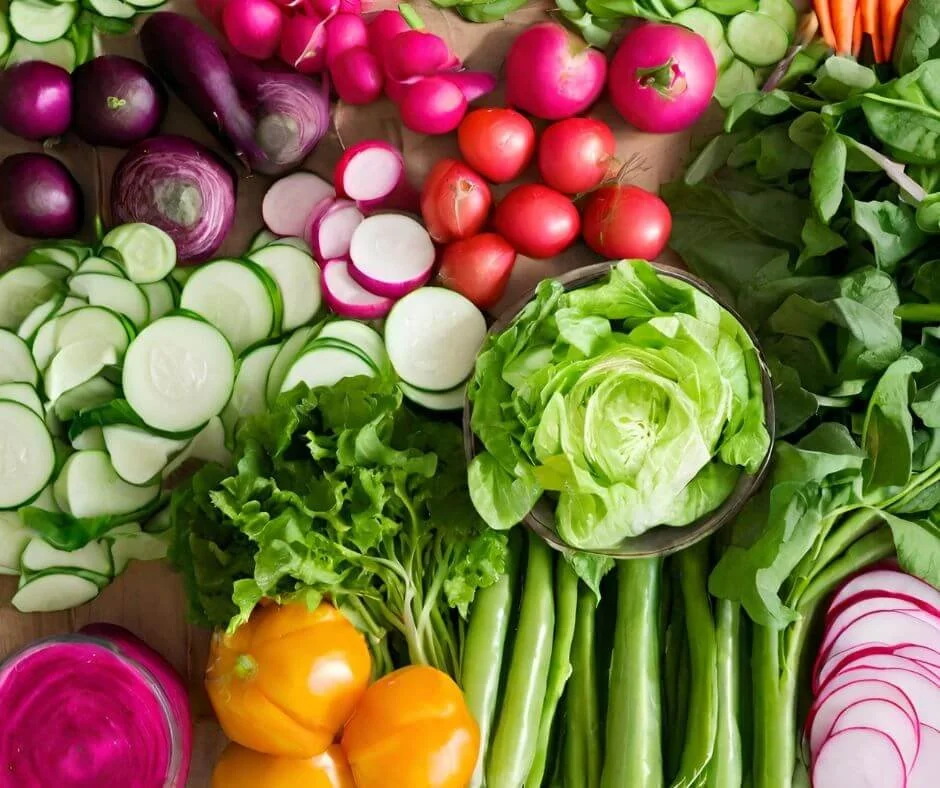
Embark on Your Home Garden Journey: The Easiest Vegetables to Grow
Dreaming of a garden brimming with fresh, homegrown produce but intimidated by the thought of keeping plants alive? You're not alone! Many aspiring gardeners yearn for the satisfaction of harvesting their own food, yet fear they lack the proverbial "green thumb." The good news is, cultivating your own delicious vegetables doesn't require a horticulture degree or endless hours of toil. In fact, a surprising number of plants are incredibly forgiving and thrive with minimal effort, making them the easiest vegetables to grow for beginners and busy individuals alike.
Imagine stepping into your backyard or onto your balcony and plucking crisp lettuce for a salad, crunchy radishes for a snack, or vibrant green beans for dinner. This isn't a far-fetched fantasy; it's an achievable reality with the right selection of resilient, easy-to-care-for plants. This guide will introduce you to some of the most dependable varieties, offering simple steps and expert tips to ensure your first foray into home gardening is a resounding success.
Why Grow Your Own? The Joys of a Home Harvest
Beyond the simple pleasure of watching something grow, embarking on a home gardening project offers a plethora of benefits. First and foremost is the unparalleled freshness and flavor. Store-bought produce often travels long distances, losing nutritional value and taste along the way. Homegrown veggies, picked at their peak ripeness, are bursting with vibrant flavor and essential nutrients. You'll also gain complete control over what goes into your food, avoiding pesticides and chemicals often found in commercial farming.
Gardening is also a deeply rewarding and meditative activity. The act of nurturing life, observing growth, and connecting with nature can be incredibly therapeutic, reducing stress and promoting mental well-being. Plus, it's a fantastic way to save money on groceries and contribute to a more sustainable lifestyle. Even a small patch of low-effort veggies can yield a robust harvest, demonstrating that you don't need extensive land to make a difference.
The Cream of the Crop: Easiest Vegetables to Grow for Beginners
Ready to get your hands dirty? Here's a curated list of vegetables that practically grow themselves, ensuring even the most novice gardener can enjoy a bountiful yield.
Radishes: The Speedy Satisfier
If instant gratification is what you're after, radishes are your go-to vegetable. These zesty root crops are among the fastest-growing plants, often ready for harvest in as little as three to four weeks. Their peppery bite adds a wonderful crunch to salads, but they're equally delicious sliced thinly with a sprinkle of salt and butter.
- Why they're easy: Rapid growth cycle, minimal fuss.
- Growing tips: Sow seeds directly in well-drained soil about 1/2 inch deep and 1 inch apart. Keep the soil consistently moist. For a continuous supply, plant small batches every week or two.
- Harvesting: Pull them when their roots reach about 1 inch in diameter. Don't let them get too large, or they'll become woody and overly spicy.
Lettuce and Leafy Greens: Your Salad Bowl Staples
Lettuce might seem mundane, but a continuous supply of fresh, crisp leaves from your own garden is anything but. From loose-leaf varieties to romaine, these cool-season greens are incredibly adaptable and one of the easiest vegetables to grow. They thrive in containers, raised beds, or in-ground gardens.
- Why they're easy: Fast-growing, low maintenance, can be "cut-and-come-again."
- Growing tips: Plant seeds directly in well-drained soil, keeping it consistently moist. For summer harvests, consider planting in shadier spots or using row covers to prevent premature bolting (going to seed), which makes the leaves bitter.
- Harvesting: Harvest outer leaves as needed, allowing the inner leaves to continue growing, or cut the entire head. For a deeper dive into simple veggie cultivation, check out Grow Your Own: 10 Easiest Veggies for Beginner Gardeners.
Green Beans: Prolific and Practical
Green beans are a classic for a reason. They are remarkably straightforward to grow and provide an abundant harvest of crunchy, tender pods that are delicious steamed, sautéed, or even eaten raw. Both bush and pole varieties exist; bush beans require less support, while pole beans will need a trellis but produce over a longer season.
- Why they're easy: High yield, relatively pest-resistant, forgiving.
- Growing tips: Plant seeds directly in a sunny spot with well-drained soil after all danger of frost has passed. Ensure good air circulation around the plants to prevent fungal issues.
- Harvesting: Pick beans when they are young and tender, snapping easily. Regular harvesting encourages more production.
Zucchini: The Garden Giver (with a Warning!)
Zucchini plants are famously productive, often yielding more squash than you know what to do with! While they require a sunny spot and moist, rich soil, their prolific nature makes them one of the easiest vegetables to grow in terms of sheer output. The "warning" comes from their tendency to sprawl; trellising or strategic planting is key to managing their enthusiastic growth.
- Why they're easy: High yield, rapid growth, versatile in the kitchen (from blossoms to fruit).
- Growing tips: Plant seeds or starts in fertile, moist soil in full sun. Provide ample space, or train them onto a sturdy trellis or cage to save space and keep fruit clean.
- Harvesting: Harvest fruits when they are young and tender (6-8 inches long) for best flavor. Check plants daily once they start producing.
Cucumbers: Climbing for Crispy Delights
Cucumbers, like zucchini, are vigorous growers that love fertile soil and plenty of sunshine. They are primarily water, so consistent moisture is crucial for juicy, non-bitter fruits. Their vining habit makes them perfect candidates for trellises or supports, which not only saves space but also keeps the fruits off the ground, reducing disease and improving air circulation.
- Why they're easy: High yield with support, relatively low hands-on effort once established.
- Growing tips: Sow seeds directly after the last frost in rich, well-drained soil. Provide a strong trellis or cage from the start. Water deeply and consistently, especially as fruits develop.
- Harvesting: Pick when fruits are firm and reach your desired size. Regular picking encourages more production.
Carrots: Sweet Roots from Sandy Soil
While often perceived as tricky, carrots are incredibly high-yielding and surprisingly easy if you meet their primary requirement: loose, stone-free soil. The effort you put into soil preparation will directly translate into beautifully formed, sweet roots. They are a staple of many cuisines and a favorite for snacking.
- Why they're easy: High yield, long storage potential, very satisfying to harvest.
- Growing tips: The secret is loose, sandy, well-drained soil. Remove any rocks or clumps to prevent misshapen roots. Sow seeds directly about 1/4 inch deep and thin seedlings to 2-4 inches apart once they emerge. Keep the soil consistently moist during germination.
- Harvesting: Harvest when the tops of the roots begin to show above the soil line, or gently feel around the crown.
Amaranth: Beyond the Grain
Often recognized for its nutritious grain, amaranth is also cultivated for its incredibly flavorful and edible greens. These robust plants thrive in warm weather and are celebrated globally for their delicious leaves, which can be used similarly to spinach or other leafy greens in stir-fries, soups, or sautéed dishes.
- Why they're easy: Drought-tolerant once established, thrives in heat, provides both leaves and seeds.
- Growing tips: Sow seeds directly in warm soil after the last frost. Amaranth tolerates a range of soil types but prefers well-drained soil and full sun.
- Harvesting: Harvest younger leaves for a tenderer texture, or pick mature leaves for cooking. The plant will continue to produce more leaves.
General Tips for Success with Your Easy Veggie Garden
While the vegetables listed above are resilient, a few foundational principles will dramatically boost your success:
- Soil is Key: Invest in good quality, well-draining soil. Amending garden beds with compost improves fertility and drainage, providing a happy home for roots.
- Sunlight Matters: Most vegetables, even the easy ones, require at least 6-8 hours of direct sunlight per day. Choose your planting spot wisely.
- Consistent Watering: Especially during germination and fruit development, consistent moisture is vital. Avoid letting the soil dry out completely, but also don't overwater, which can lead to root rot.
- Embrace Containers: Don't have a sprawling yard? Many of these easiest vegetables to grow, such as lettuce, radishes, and even some bush bean varieties, flourish in pots on patios or balconies. Just ensure containers have drainage holes.
- Succession Planting: For continuous harvests of quick-growing crops like radishes and lettuce, plant small batches every 1-2 weeks instead of planting everything at once.
- Pest Watch: While generally resilient, keep an eye out for common garden pests. Early detection and organic solutions (like hand-picking or insecticidal soap) are often sufficient.
Conclusion: Your Green Thumb Awaits!
Growing your own food is an incredibly fulfilling endeavor, and with these easiest vegetables to grow, you can transform your outdoor space into a productive edible oasis without the stress. From the rapid reward of radishes to the continuous bounty of green beans, there’s a perfect plant waiting to kickstart your gardening journey. So, grab your gardening gloves, prepare a sunny spot, and get ready to savor the unparalleled taste of vegetables picked fresh from your very own home garden. Happy planting!
